What is Geopolitical Analysis?
At its core, geopolitical analysis is the study of how geography and economics influence politics, relations among nations, and the worldwide balance of power.
It involves understanding the geographical distribution and control of resources, including the strategic importance of certain locations, and how these factors shape political decisions and power dynamics.
The Importance of Geopolitical Analysis
Geopolitical analysis is indispensable in predicting and understanding global trends, risks, and opportunities. It’s essential for governments, multinational corporations, and NGOs, among others.
For instance, businesses can harness this discipline to comprehend the political risks associated with entering a new market or to strategize the location of their next branch or operational hub.
Moreover, geopolitical analysis is a valuable tool in assessing the potential impact of global events, such as conflicts, climate change, or advancements in technology.
It allows nations to anticipate and prepare for possible shifts in political alliances or changes in international trade agreements.
Dynamics of Geopolitical Analysis
Geopolitical dynamics are complex and multifaceted, shaped by factors ranging from geographical features to economic resources, political systems, and societal trends. These dynamics can change rapidly, creating new alliances, conflicts, and power structures.
Geopolitical analysts employ a range of methodologies to dissect, understand, and predict these dynamics. They analyze historical trends, current events, and emerging patterns to map out potential future scenarios.
They also consider various factors such as economic trends, social movements, environment concerns, and technological developments.
Geopolitical Analysis in Today’s World
Today, geopolitical analysis takes on an increasingly significant role in the face of mounting global uncertainties and tensions. The evolving international landscape, characterized by shifting alliances, technological advancements, and the increasing importance of non-state actors, has made geopolitical analysis a crucial tool in identifying and understanding global trends.
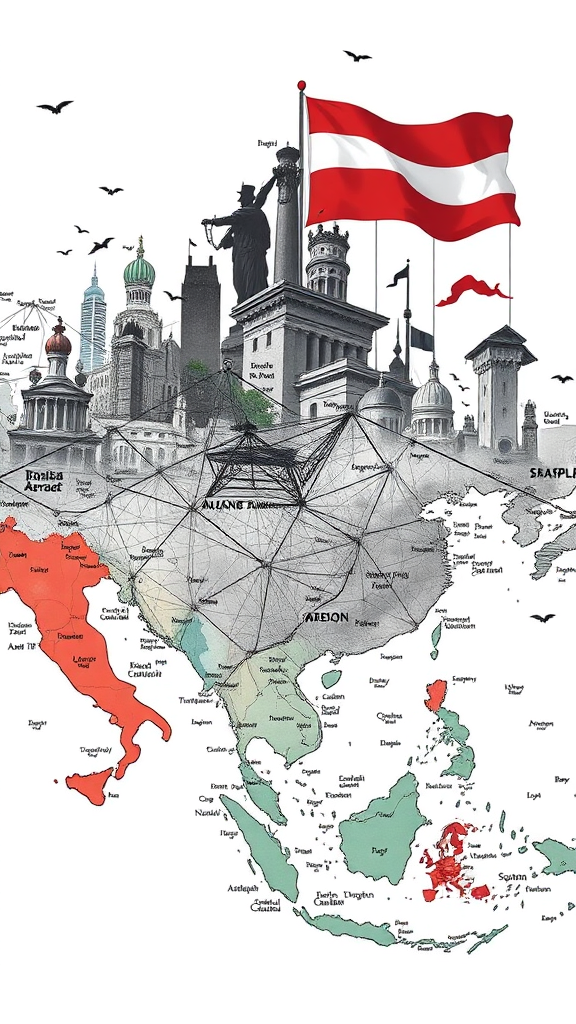
Currently, the rise of emerging powers and non-state actors, the proliferation of digital technology, and the persistent threat of climate change are all central topics in geopolitical analysis. Analysts today are tasked with not just understanding these trends but predicting their potential impact on the world stage.
Wrapping Up
As our world becomes more interconnected and complex, the role of geopolitical analysis is only set to expand. Whether it’s helping businesses plan their next move or assisting governments in shaping their foreign policy, this discipline serves as an essential compass in navigating the intricate web of global politics, economics, and geography.
Given its profound importance in today’s globalized world, anyone engaged in international affairs, business, or strategic planning should develop a basic understanding of geopolitical analysis.
It’s a tool that, when used appropriately, can provide invaluable insights into the world’s intricate and ever-changing dynamics.