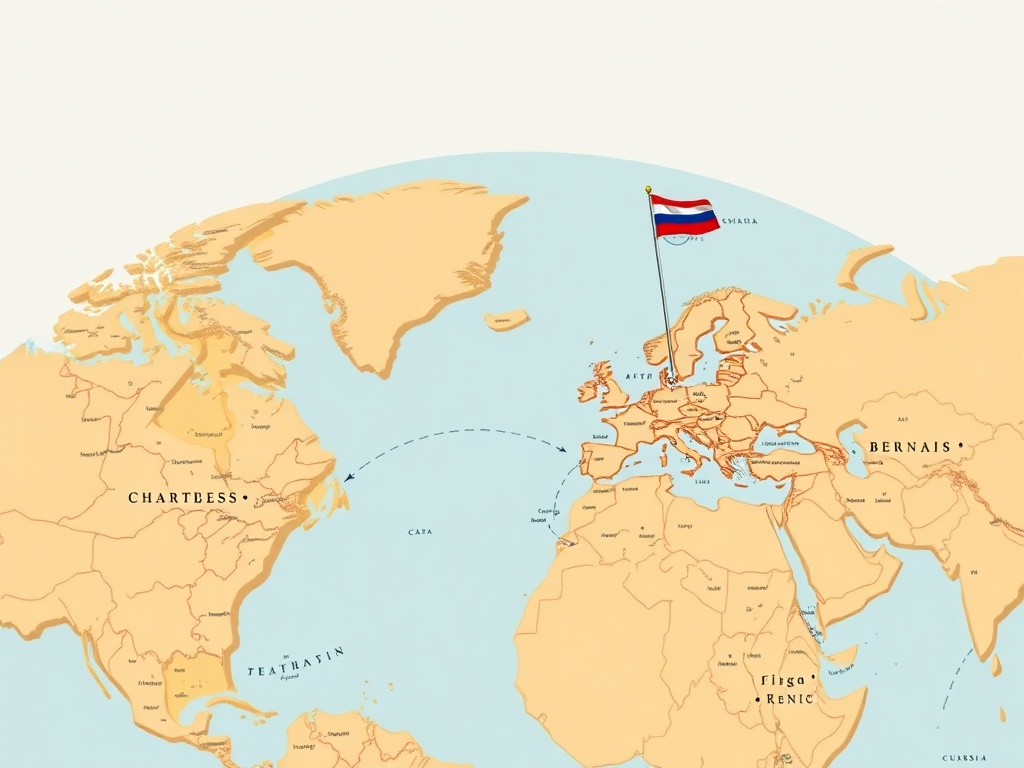
By assessing the impacts of geography on international politics, geopolitical analysis helps us understand global power dynamics and economic trends, predict possible future scenarios, and ascertain potential opportunities and threats.
Understanding Geopolitical Analysis
At its core, geopolitical analysis is a study of control over territories and the influence of geographical factors on politics. It explores the intersection of physical geography (like natural resources, climate, and topography) and human geography (like political systems, economic models, and cultural practices).
It offers an essential lens through which we can make sense of the world’s complex socio-political fabric and predict its future trajectory.
The Role of Geography in International Politics
Geography plays a critical role in shaping political events and international relations. For instance, countries with access to significant natural resources often have increased bargaining power on the global stage. Similarly, nations positioned along critical maritime routes can wield considerable influence over global trade.
On the other hand, geographical constraints can also pose challenges. Countries with rugged terrains, for example, might struggle with infrastructure development and economic growth, affecting their geopolitical status. Thus, understanding geographical factors is key to making sense of global power dynamics.
Geopolitical Analysis and Global Economy
Geopolitical events can have significant impacts on the global economy.
Political tensions, trade wars, or changes in foreign policy can influence economic trends, investment scenarios, and market stability. By providing insights into these undercurrents, geopolitical analysis can be pivotal in shaping investment strategies, guiding policy-making, and even influencing business decisions at the corporate level.
The Future of Geopolitical Analysis
With the world becoming increasingly multipolar, geopolitical analysis has never been more critical.
As global power structures shift and new players emerge on the international stage, the need for nuanced understanding of these changes becomes paramount.
Moreover, as issues like climate change and cybersecurity become increasingly intertwined with international politics, the scope of geopolitical analysis is set to broaden further.
Moreover, the rise of non-state actors like multinational corporations and international organizations is reshaping the geopolitical landscape.
Non-state actors can influence international relations, negotiate treaties, and even wage wars. Understanding their role and impact is another crucial facet of geopolitical analysis.
In this evolving landscape, geopolitical analysis can offer a roadmap for navigating the complex web of international relations. It equips decision-makers, organizations, and even individuals with the tools to understand global events, anticipate future changes, and make informed decisions.
Currently, the world is witnessing significant geopolitical shifts. There’s an escalating race for technological supremacy, increasing tensions over resources, and a redefining of global power structures. Amid these changes, geopolitical analysis remains a crucial tool for understanding our world and its future.
Whether you’re a policy maker, an investor, a business leader, or just a curious citizen, gaining a deeper understanding of geopolitical analysis can be incredibly valuable.
It can help you better appreciate world events, identify opportunities and risks, and make more informed decisions. As we move forward, the importance of geopolitical analysis is only set to increase.