Broadly speaking, geopolitical analysis is the study of the effects of Earth’s geography (human and physical) on politics and international relations.
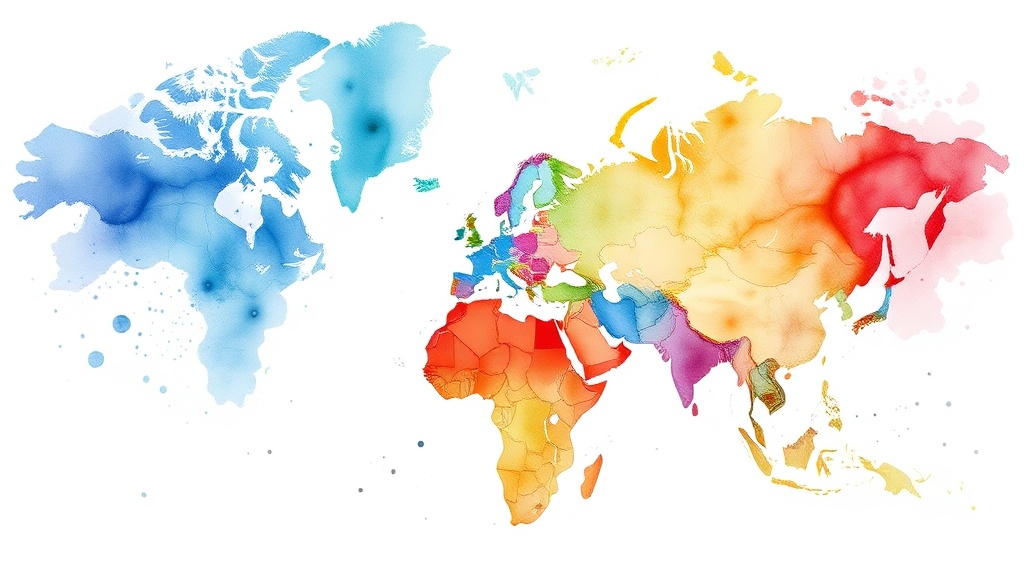
While geography does not determine destiny, the strategic advantage of location cannot be understated. It provides insight into the behaviours, priorities, and policies of nations and their leaders, as well as the complex interplay between various global actors.
One of the most pressing concerns in recent times has been the shift in global power dynamics. Traditional powerhouses, such as the United States and European nations, face new challenges from rapidly developing countries like China and India. Notably, these rising powers are leveraging their robust economies, burgeoning technologies, and strategic geographical advantages to assert influence on the global stage.
Take China, for instance.
Its Belt and Road Initiative, a massive global development strategy that seeks to build a more connected world through infrastructure and investment, is a prime example of geopolitics in action. This initiative isn’t just about economic expansion—it’s a strategic move that displays how economics, geography, and politics converge.
Similarly, energy politics is another critical aspect of geopolitical analysis. In an era where clean and renewable energy is a growing focus, countries rich with natural resources like sunlight, wind, and water hold a vital card in their hand. Nations like Denmark, which produces over half of its electricity from wind power, are setting an example for the rest of the world. The ability to control and harness these resources may shape the power dynamics of the future, leading to a potential shift in the geopolitical landscape.
Cybersecurity is a relatively new but increasingly important area of geopolitical analysis. As the digital landscape expands, nations with advanced technology and cybersecurity capabilities hold a significant advantage. Amid rising concerns about cyber warfare and data privacy, understanding the implications of these digital frontiers is crucial for any comprehensive geopolitical analysis.
However, geopolitical analysis is not limited to nations and their power games.
Non-state actors, such as multinational corporations, non-governmental organisations, and even influential individuals, can also sway the geopolitical landscape. For example, tech giants like Google and Facebook have significant control over data, a resource often dubbed as the “new oil,” wielding enormous influence on a global scale.
Today, with the world’s interconnectedness at an all-time high, geopolitical analysis is more vital than ever. It’s no longer enough to examine nations and their actions in isolation. Instead, understanding the broader context—economic trends, technological advancements, demographic shifts, and environmental changes—is crucial.
As the world continues to evolve, geopolitical analysis remains a vital tool that helps us comprehend the complex and dynamic world we live in. By examining the interplay of geography, politics, and international relations, we can better anticipate the future and navigate the challenges of our globalised world. So, whether you’re a policy-maker, a business leader, or a curious observer of global affairs, understanding geopolitical analysis can provide invaluable insights.