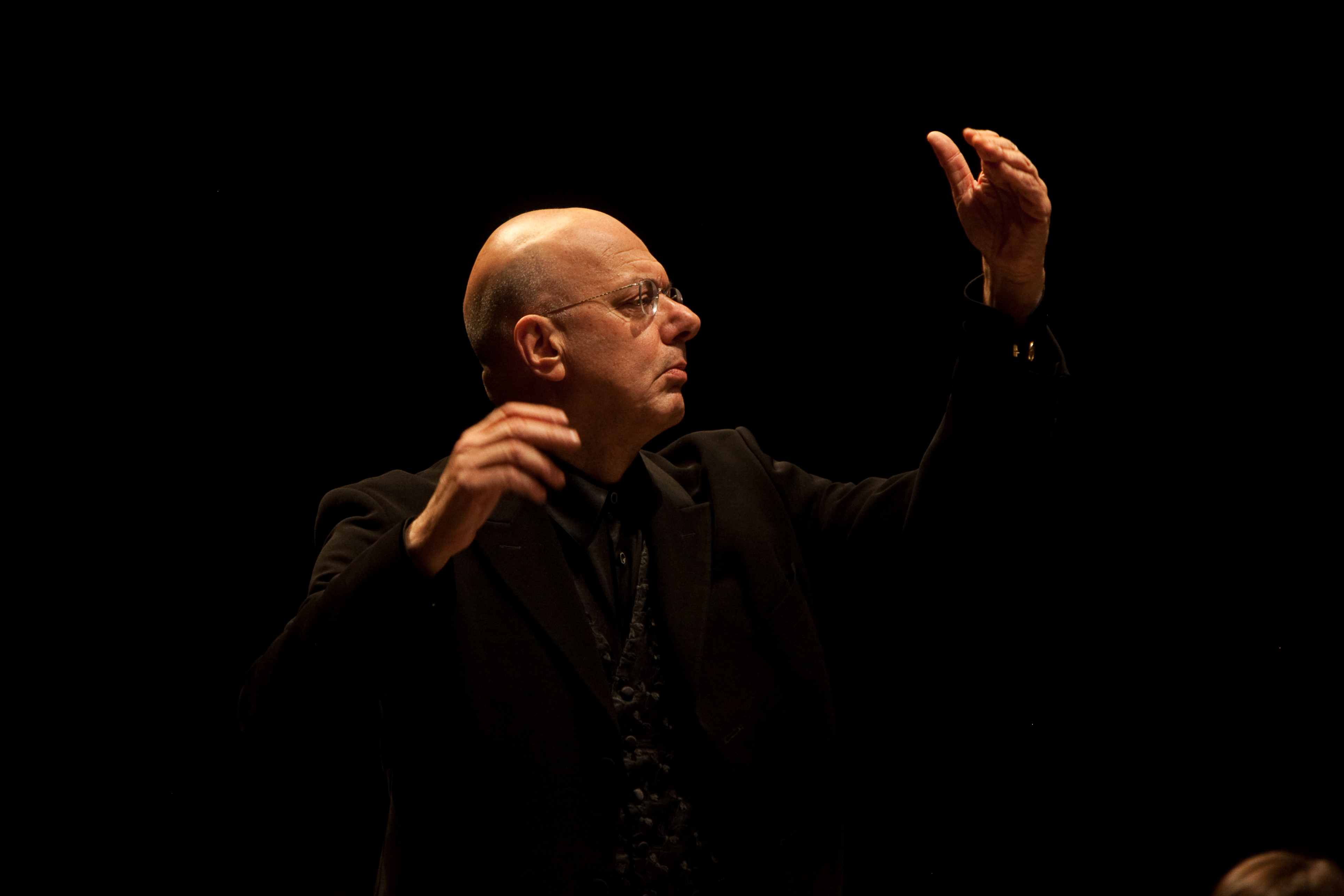
The Orchestra Now marks its tenth anniversary as a graduate training program that defies conventional conservatory education by combining professional performance with scholarly research. Founded by Leon Botstein in 2015, the ensemble provides master’s degree training while performing full concert seasons at Bard College and venues throughout New York.
Students spend two years earning degrees while gaining practical experience through regular performances, recordings, and educational programming. The program attracts musicians from leading conservatories worldwide who seek alternatives to traditional graduate study focused primarily on technical development and solo repertoire.
Current enrollment includes instrumentalists from institutions including Juilliard, Curtis, and international conservatories in Europe and Asia. Many participants previously completed undergraduate degrees at top music schools but found conventional graduate programs insufficient preparation for professional orchestra careers.
Leon Botstein’s Vision Integrates Music and Scholarship
The program reflects Botstein’s conviction that musicians need broader cultural knowledge to interpret repertoire effectively and engage audiences meaningfully. Students study historical contexts, compositional techniques, and cultural influences alongside traditional performance training and ensemble skills.
The conductor and educator’s approach treats musicians as intellectual artists rather than skilled technicians, requiring understanding of political, social, and artistic factors that shaped the music they perform. This philosophy distinguishes the program from conservatory training focused primarily on technical proficiency.
Academic coursework includes music history, cultural studies, and interdisciplinary seminars that connect musical development to broader historical trends. Students write research papers, participate in scholarly discussions, and develop analytical skills that inform their interpretive choices and program development.
Faculty members include active performers from major orchestras alongside musicologists and cultural historians. This combination provides both practical expertise and scholarly perspective, helping students understand professional expectations while developing intellectual frameworks for artistic decision-making.
The program’s academic rigor equals that of traditional graduate degrees while providing performance opportunities that most university programs cannot offer. Students graduate with both practical experience and scholarly credentials that prepare them for diverse career paths in professional music.
Performance Opportunities Build Professional Experience
The Orchestra Now maintains a full concert season at Bard’s Fisher Center, performing works ranging from standard repertoire to rarely heard compositions. Recent seasons have included premieres, recovered works by suppressed composers, and collaborations with guest artists and directors.
International touring provides additional performance experience and cultural exchange opportunities. The ensemble’s recent trip to Germany included performances of Mendelssohn works at historically significant venues, combining musical excellence with educational and commemorative purposes.
Recording projects document the program’s performances while contributing to the musical catalog of neglected works. Students gain studio experience while participating in projects that preserve rarely heard repertoire for future performers and scholars.
Collaborations with American Symphony Orchestra provide additional performance opportunities and mentorship from established professionals. Students work alongside experienced musicians while maintaining their own ensemble identity and programming focus.
Guest conductor residencies expose students to diverse musical approaches and professional working methods. These experiences provide networking opportunities while broadening students’ understanding of interpretive possibilities and rehearsal techniques.
The program’s location near New York City enables frequent performances at venues including Carnegie Hall, Lincoln Center, and other professional concert halls. These appearances provide exposure to industry professionals and experience with diverse acoustic environments.
Unique Curriculum Addresses Industry Changes
The classical music industry faces challenges including declining audiences, budget constraints, and competition from other entertainment forms. The Orchestra Now’s curriculum addresses these realities by training musicians who can engage audiences through educational programming and contextual presentation.
Students learn to speak publicly about music, develop educational concerts, and participate in community outreach programs. These skills prepare them for orchestra positions that increasingly require musicians to serve as cultural ambassadors beyond their primary performance roles.
Entrepreneurial training helps students understand grant applications, fundraising, and project development. Many graduates pursue independent careers requiring business skills alongside musical expertise, making this practical education increasingly valuable.
Technology integration includes recording techniques, digital marketing, and online performance presentation. The pandemic accelerated these developments, making technological literacy essential for professional musicians regardless of their primary career focus.
Cultural programming skills prepare graduates for positions with arts organizations, festivals, and educational institutions. The program’s emphasis on historical context and scholarly research provides foundation for these expanded professional roles.
The program maintains connections with professional orchestras, opera companies, and chamber groups that recruit graduates for permanent and temporary positions. Alumni have joined ensembles throughout the United States and internationally, applying their training in diverse professional contexts.
Career services include individual coaching, audition preparation, and networking opportunities with industry professionals. Faculty members maintain active performance careers that provide current knowledge of professional expectations and opportunities.
Graduates Pursue Diverse Professional Paths
Alumni have joined major orchestras including the Metropolitan Opera Orchestra, Boston Symphony, and international ensembles. Others have founded chamber groups, developed educational programs, or pursued advanced study in musicology and related fields.
Some graduates combine performance careers with teaching, bringing their training in historical context and scholarly analysis to conservatory and university positions. The program’s interdisciplinary approach prepares them for academic careers requiring both practical and theoretical expertise.
Entrepreneurial ventures include concert series, educational organizations, and media companies founded by alumni who apply their business training to create new opportunities in classical music. These projects demonstrate the program’s success in preparing musicians for leadership roles.
The program continues attracting applications from conservatory graduates seeking broader preparation for professional careers. Botstein’s vision of combining musical excellence with intellectual depth resonates with students who recognize the classical music industry’s changing demands and opportunities.
Current projects include expanded recording initiatives, additional international touring, and partnerships with cultural institutions throughout the region. The program’s tenth anniversary demonstrates its success in creating an alternative model for graduate musical education that serves both student needs and industry requirements.