Why chokepoints matter
– Trade concentration: A significant share of world trade moves through a handful of passages. When transit is smooth, goods flow efficiently; when it’s disrupted, costs spike and supply chains wobble.
– Energy security: Major oil and liquefied natural gas routes pass through chokepoints.
Interruptions can quickly reverberate through energy markets and national economies.
– Military leverage: Control or denial of chokepoints offers strategic advantage. Navies and coast guards maintain a forward presence to deter threats and ensure freedom of navigation.
– Critical infrastructure: Subsea cables and pipelines often cross the seabed near chokepoints, making these areas doubly sensitive from a communications and energy perspective.
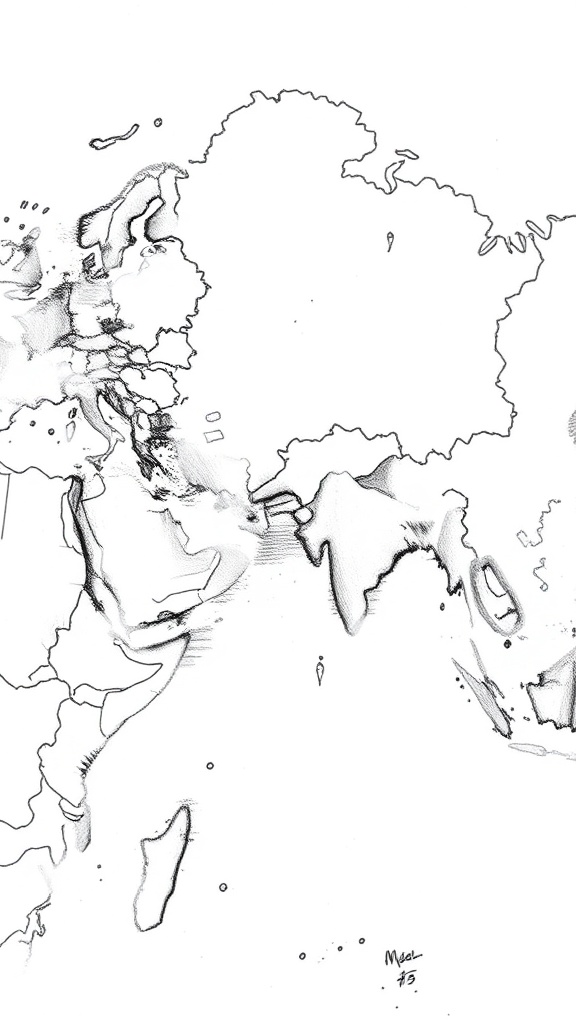
Key vulnerabilities
Certain chokepoints receive disproportionate attention because of their traffic volumes and geopolitical surroundings. Disruptions can arise from state competition, non-state actors, accidents, or natural hazards. Narrow waters limit maneuverability for large vessels, increasing the risk of collisions or groundings that can block traffic for days or weeks. Additionally, legal ambiguities and contested territorial claims can complicate responses to incidents.
Strategic responses and adaptations
– Diversification of routes: Shippers and energy companies increasingly pursue alternative paths — overland corridors, longer sea routes, or transshipment hubs — to reduce dependency on a single passage.
– Strategic stockpiles and supply-chain buffering: Governments and firms keep buffer inventories and flexible sourcing strategies to absorb short-term shocks.
– Multinational cooperation: Joint naval patrols, crisis-management frameworks, and port-state partnerships aim to secure passage while minimizing escalatory risks.
– Technology and monitoring: Satellite surveillance, automatic identification systems, and unmanned systems enhance situational awareness around chokepoints. Cybersecurity for maritime networks and undersea cables has become a parallel priority.
– Legal and diplomatic tools: Investment in norms, maritime law enforcement, and dispute-resolution mechanisms helps de-escalate tensions and protect commercial navigation rights.
Economic and geopolitical ripple effects
A chokepoint incident rarely stays local.
Disrupted trade routes alter shipping insurance rates, delay manufacturing inputs, and can push commodity prices higher. Politically, such incidents accelerate alliances and partnerships as affected states seek collaborative security guarantees and investment in resilient infrastructure. They can also catalyze regional competition as extra-regional powers increase presence to protect their interests.
Practical implications for businesses and planners
– Map exposure: Companies should identify which chokepoints affect their supply chains and energy inputs.
– Build flexibility: Use multi-modal logistics, alternative suppliers, and inventory strategies to reduce single-point failures.
– Engage stakeholders: Public-private coordination with ports, insurers, and governments enhances response capacity.
– Invest in intelligence: Timely maritime domain awareness tools give firms an edge in rerouting and risk mitigation.
Maritime chokepoints will remain central to global stability and economic continuity. Managing their risks requires a mix of diplomacy, defense, infrastructure investment, and smart supply-chain design.
Those who anticipate bottlenecks and build resilience will be better positioned to navigate geopolitical uncertainty and protect long-term interests.
