Global strategic competition is reshaping where and how essential goods are produced, moved, and controlled.
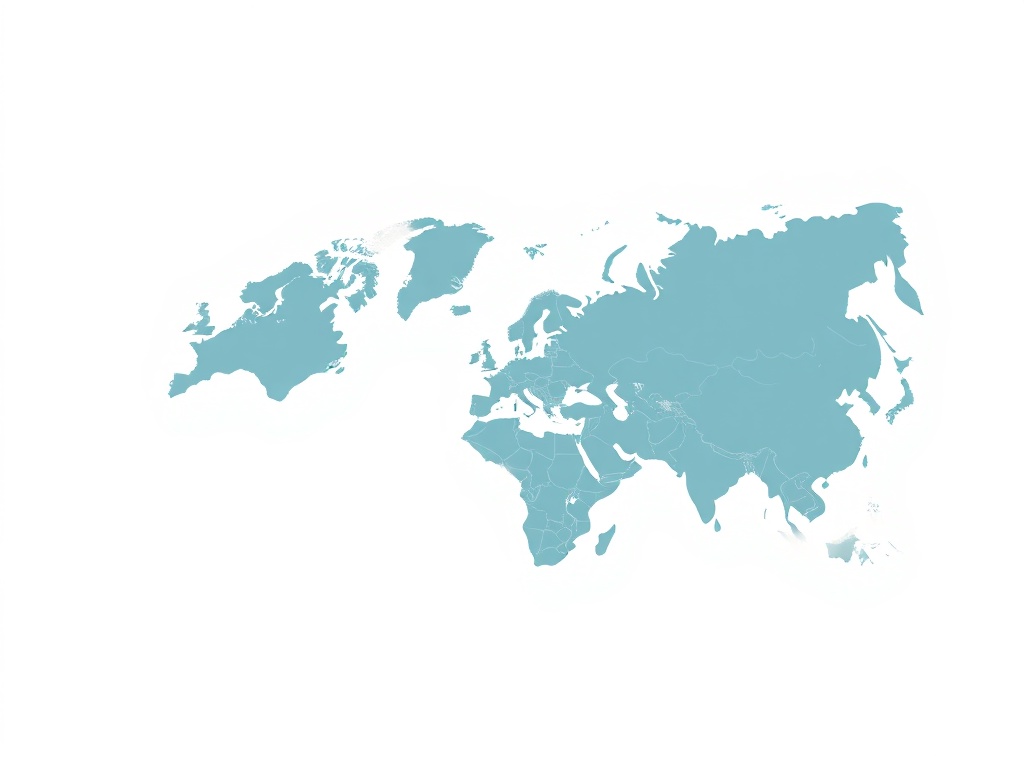
The Indo-Pacific has become the focal point for this shift, driven by technological rivalry, resource security, and evolving alliance politics.
Understanding these forces is essential for policymakers, businesses, and investors aiming to manage risk and seize opportunity.
Drivers of change
– Technology rivalry: Advanced semiconductors, AI hardware, and high-end manufacturing equipment are central to economic and military advantage. Controls on exports and targeted investment screening are increasingly used to protect sensitive capabilities, affecting where firms source components and equipment.
– Critical minerals: Lithium, cobalt, nickel, and rare earth elements underpin the energy transition and high-tech manufacturing.
Supply concentration and limited processing capacity create leverage and vulnerability for both producers and consumers.
– Maritime chokepoints and infrastructure: Port investments, undersea cables, and shipping routes shape commercial flows and strategic access. Control or disruption of key chokepoints has outsized effects on global trade.
– Economic statecraft: Trade policy, investment screening, and financial sanctions are being used as tools of competition, alongside more traditional military posturing.
Coercive diplomacy and incentives both influence partner choices.
Implications for the Indo-Pacific
Alliances and partnerships are being recalibrated around these material dependencies. Security partnerships aimed at bolstering resilience — from joint exercises to collaborative supply-chain projects — are increasingly prominent. At the same time, large-scale infrastructure initiatives and mercantilist trade measures continue to reshape regional influence.
For smaller states, the balancing act is pronounced: aligning with partners to secure investment and protection while avoiding overdependence that could limit strategic autonomy.
For larger economies, the focus is on preserving access to essential inputs while reducing systemic risk.
Strategic responses
– Diversify suppliers and production: Nearshoring, friend-shoring, and regional manufacturing hubs reduce exposure to single points of failure. Firms should map dependencies at component and sub-component levels to prioritize diversification where risk is highest.
– Build redundancy and surge capacity: Strategic stockpiles, flexible production lines, and multiregional logistics capabilities help absorb shocks. Scenario planning for different disruption types (cyber, physical, policy-driven) strengthens resilience.
– Invest in processing and recycling: Developing domestic or allied processing for critical minerals — along with recycling programs — cuts reliance on concentrated processing nodes and adds circularity to supply chains.
– Strengthen governance and due diligence: Enhanced export-control compliance, investment screening, and supply-chain transparency reduce legal and reputational risk. Robust supplier audits and traceability systems also support compliance with evolving standards.
– Leverage diplomatic and economic tools: Multilateral coordination on standards, critical infrastructure protection, and cooperative stockpiles can mitigate geostrategic pressure. Public-private partnerships accelerate technology deployment and resilience-building.
Business and investment considerations
Companies should integrate geopolitical risk into core strategy rather than treating it as an externality. That means aligning location decisions with scenario-based risk assessments, incentivizing flexible manufacturing investments, and engaging proactively with governments to shape pragmatic trade and investment rules.
For investors, opportunities exist in infrastructure, processing capacity, recycling, and technologies that enhance supply-chain visibility.
Outlook and action steps
Geopolitical dynamics will continue to influence where value is created and who controls critical nodes. Organizations that proactively redesign resilient, transparent, and adaptable supply chains will reduce exposure and capture strategic advantages. Start by conducting a targeted risk-mapping exercise, prioritize actions that deliver immediate resilience gains, and build longer-term partnerships to secure access to critical technologies and materials.