Global trade flows are being reconfigured by strategic competition, sanctions, and shifting industrial policy. Geopolitical analysis now must sit at the center of corporate strategy and national planning: supply chains are no longer just about cost and efficiency, they are instruments of statecraft and points of vulnerability. Understanding the geopolitical drivers behind trade decisions helps businesses and policymakers anticipate disruptions and design resilient systems.
Key geopolitical drivers
– Strategic competition: Major powers are increasingly treating critical industries—semiconductors, advanced manufacturing, energy technologies—as strategic assets. Export controls, investment screening, and incentives for domestic production shift investment patterns and production locations.
– Sanctions and trade restrictions: Targeted sanctions and broader trade measures can rapidly rewire supply chains. Companies dependent on single-country sources face swift shocks when diplomatic tensions escalate.
– Resource geopolitics: Control of critical minerals, rare earths, and energy supplies influences industrial policy. Competition for secure access drives diversification and upstream investments.
– Maritime chokepoints and logistics: Physical vulnerabilities—narrow straits, constrained ports, and regional congestion—remain tactical flashpoints. Geopolitical friction near key sea lanes can produce outsized impacts on global shipping costs and delivery times.
Business implications
Firms must move from cost-centric sourcing to risk-aware network design.
That means:
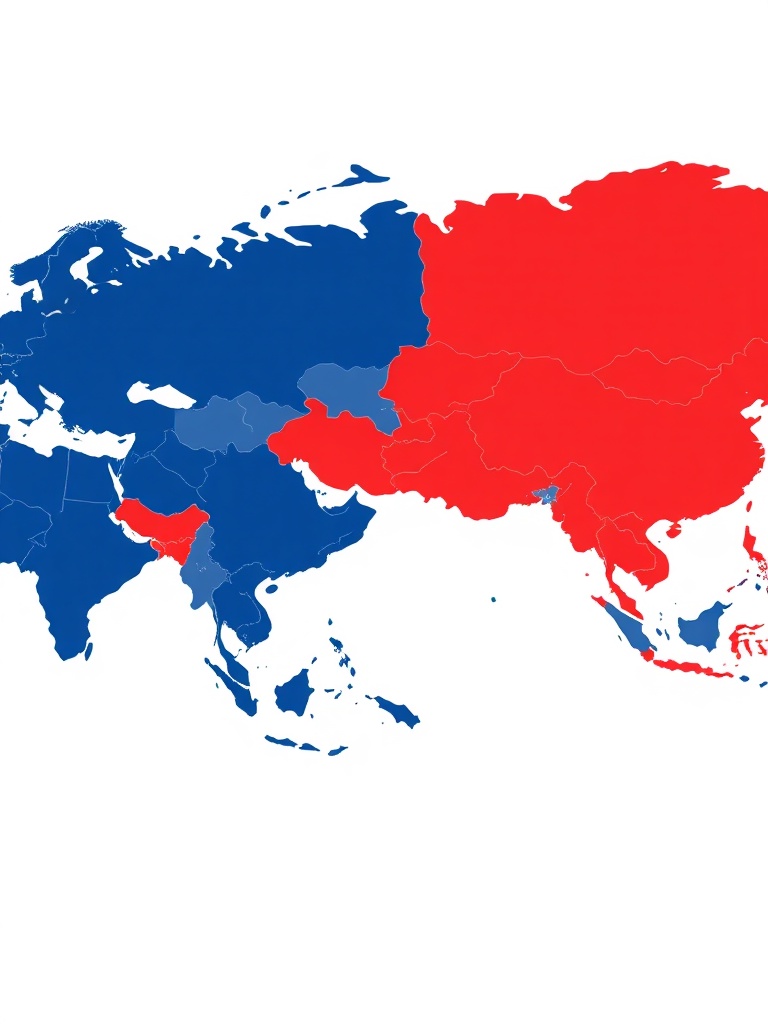
– Diversification over optimization: Multi-sourcing and multi-regional production reduce single-point failures. Nearshoring and friendshoring are rising strategies to shorten logistics and lower geopolitical risk exposure.
– Strategic stockpiles and flexible manufacturing: Buffer inventories for critical components and the ability to shift production between sites reduce downtime during disruptions.
– Supplier mapping and transparency: Full visibility into tier-two and tier-three suppliers reveals hidden dependencies.
Digital tools and supplier audits are essential for actionable insight.
– Compliance and scenario planning: Proactive legal review and scenario-based stress tests prepare companies for rapid policy changes like new export controls or sanctions.
Policy levers and public-private action
Governments are using a mix of incentives and controls to secure critical supply chains. Effective geopolitical strategy includes:
– Industrial policy aligned with resilience: Targeted subsidies for key sectors, public investment in infrastructure, and workforce development strengthen domestic capacity.
– International cooperation: Coordinated export control regimes, joint procurement, and shared stockpiles among like-minded states reduce unilateral vulnerabilities and limit leverage by adversaries.
– Trade diversification agreements: Fostering trade ties with a broader set of partners reduces concentration risk and builds alternative markets.
Practical steps for leaders
– Conduct a geopolitical risk audit: Map geographic, political, and regulatory exposures across your supply chain.
– Prioritize critical nodes: Identify components and facilities whose loss would be most disruptive and invest in redundancy there first.
– Build adaptive contracts: Include clauses for force majeure, alternative sourcing, and rapid scale-up to handle sudden policy shifts.
– Invest in intelligence and partnerships: Maintain ongoing geopolitical monitoring and cultivate relationships with government agencies to anticipate policy changes.
Strategic thinking wins market access
As strategic competition intensifies, supply chains are becoming a core element of national security and corporate strategy. Those who blend geopolitical analysis with operational agility are more likely to maintain market access, protect margins, and turn disruption into competitive advantage. Continuous monitoring, diversified sourcing, and close cooperation between business and government create the resilience needed to navigate an uncertain geopolitical landscape.