The rise of emerging markets in the global stage has stirred geopolitical dynamics, sparking debates on the shifts in the balance of power. The global political and economic landscape is being redefined by the surge in relative importance of countries once considered peripheral to the global economy. This transformation has prompted a profound analysis of geopolitical implications that could redefine diplomatic relations and international policies.
Emerging markets, such as China, India, Brazil, and Russia, are currently playing pivotal roles in global commerce, diplomacy, and security. Their increased economic strength, technological advancement, and growing middle classes signify a shift from the traditional Western-centric economic order. This phenomenon has provided a new perspective on how power is distributed and exercised.
Firstly, the rising influence of these nations challenges the dominance of existing superpowers. As these nations develop, their political and economic clout increases, which in turn allows them to challenge the current hegemony.
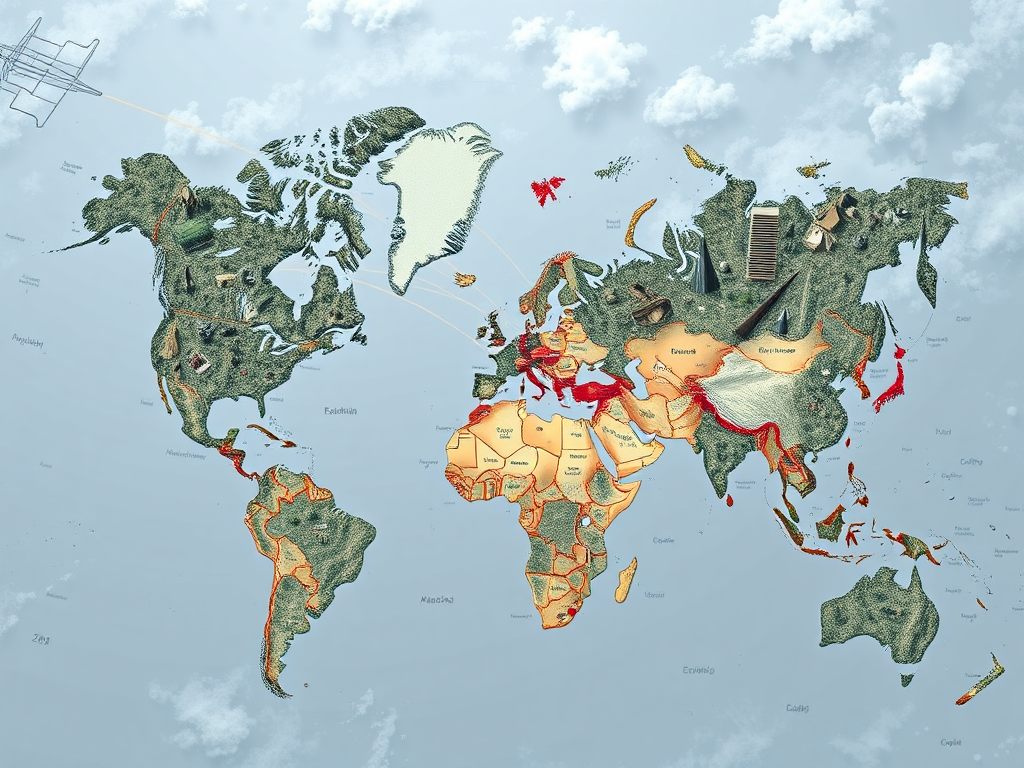
They are now significant participants in international institutions and negotiations, bringing their unique perspectives and agendas to the table.
This changes the dynamics of global governance, as traditional powerhouses must now consider their stands.
The growing economic strength of these emerging markets also brings new alliances and partnerships. For instance, the BRICS (Brazil, Russia, India, China, and South Africa) alliance was formed as a counterweight to Western influence.
Such alliances have the potential to alter the economic and political balance and can impact international relations.
Technology and innovation, an area once dominated by the West, is also becoming more distributed. Countries like India and China are emerging as tech heavyweights, fostering a shift in global technological leadership. The diffusion of technology has security implications as well, as the control over cyber warfare and surveillance technologies become more spread out.
On the flip side, the rise of emerging markets also brings forth several challenges. Economic and political instability, corruption, and varying levels of development within these countries can potentially lead to regional and international conflicts. They also face significant environmental challenges due to rapid industrialization, which can exacerbate global climate change.
Nevertheless, the rise of emerging markets provides opportunities for cooperation and growth. As these nations become more integrated into the global economy, they bring a wealth of resources, talent, and innovation. This can lead to increased global prosperity and open doors for collaboration on issues like climate change, cybersecurity, and global health.
As we look at today’s geopolitical landscape, it’s clear that the rise of emerging markets is reshaping the world order.
It has become crucial for international players to understand these shifts and adapt their strategies accordingly.
It’s also necessary for these emerging powers to navigate their growth responsibly and sustainably.
Therefore, whilst the rise of emerging markets brings a myriad of challenges, it also presents opportunities and potential for global growth. The changing geopolitical landscape demands fresh perspectives and innovative strategies for global governance. Recognizing and understanding these changes is the first step towards navigating the evolving world order.