The world is an intricate web of nations, each with its own unique set of political, economic, and social systems. This complex network forms the basis of geopolitical analysis — a field of study that dissects the relationships between political power and geographic space. It provides a comprehensive understanding of global political structures and how they are impacted by the physical environment.
Geopolitical analysis involves interpreting international political systems and predicting how they will evolve based on factors such as natural resources, population distribution, and technological advancements.
These factors greatly influence the power dynamics between nations and regions, shaping the world’s political landscape.
In this modern age where global interconnectivity is more evident than ever, geopolitical analysis plays a pivotal role in formulating foreign policies, international trade agreements, and global development strategies. It helps decision-makers understand the potential impacts of their actions on an international scale.
One of the key aspects of geopolitical analysis is the study of power relations — who holds power, who seeks it, and the mechanisms by which it is maintained or altered.
This includes analyzing the rise and fall of great powers, the strategies they employ to exert influence, and the resulting impacts on global order. These power relations often dictate the nature of international cooperation, conflict, and negotiation.
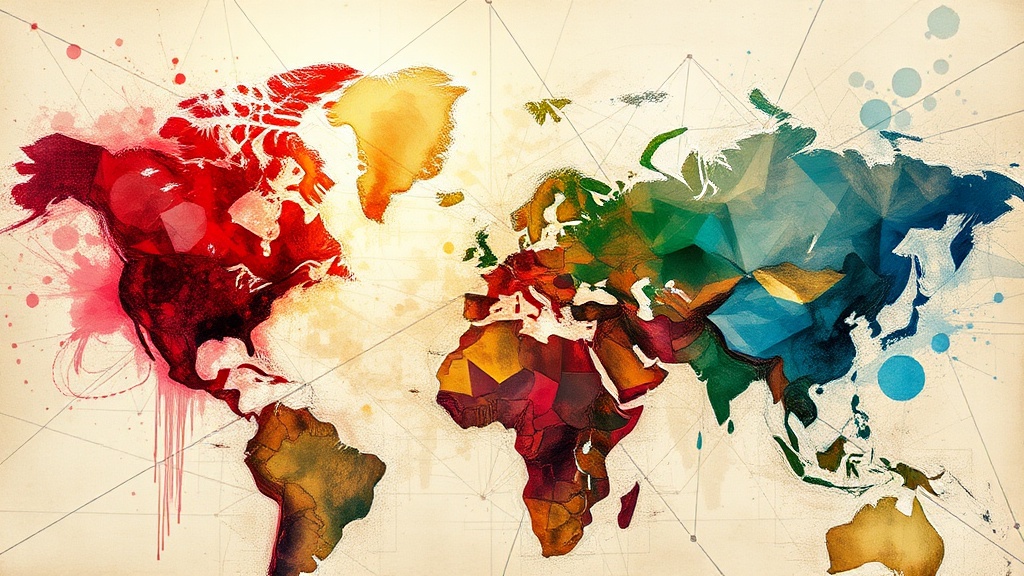
The role of geographical factors in geopolitical analysis cannot be overstressed.
The physical location, terrain, and natural resources of a country can significantly influence its political and economic strengths. For instance, countries with plentiful natural resources often have economic advantages that can translate into political power. On the other hand, nations located in strategic positions or along crucial trade routes may wield substantial influence despite having fewer resources.
Another critical component of geopolitical analysis is understanding the effects of technological innovation. Technological advances can drastically alter the global balance of power by creating new opportunities for growth and development. However, they can also widen the gap between technologically advanced nations and those that are lagging behind, leading to new forms of geopolitical tension.
In the realm of geopolitics, population distribution also plays a significant role.
Population trends, such as growth, aging, and migration, have profound implications for a nation’s economic and political stability. Understanding these trends is crucial for anticipating changes in geopolitical dynamics.
Finally, geopolitical analysis also encompasses the study of global institutions and international law. These entities set rules for interstate behavior and can influence the balance of power by legitimizing or delegitimizing certain actions. Keeping abreast with the workings of these institutions provides valuable insight into the evolving geopolitical landscape.
While geopolitical analysis may seem daunting due to its complexity, its importance in today’s interconnected world cannot be denied. It provides policymakers, businesses, and even ordinary citizens with the tools they need to navigate the ever-changing global landscape. By understanding the mechanics of geopolitical dynamics, one can better anticipate future trends, adapt to changes, and make more informed decisions. However, it’s crucial to remember that geopolitical analysis is not a crystal ball — it’s a tool for understanding possible outcomes, not predicting the future with certainty. Despite its complexities and uncertainties, its role in shaping our understanding of global politics is undeniable.