Key geopolitical flashpoints are emerging where environmental change intersects with strategic interests. Melting ice in the Arctic is opening longer shipping lanes and access to hydrocarbons and mineral deposits, transforming a previously remote region into a theater of commercial and military attention. Coastal nations face increasing pressure as sea-level rise and extreme weather threaten ports, infrastructure, and urban economic centers, shifting the calculus for defense, trade, and humanitarian readiness.
Meanwhile, the global push for decarbonization is reshaping power relationships as demand for critical minerals and rare earths rises, sparking new trade dependencies and strategic competition over supply chains.
Climate-induced migration and food insecurity are also reshaping domestic politics and international relations. When agricultural yields fall or freshwater availability becomes strained, population movements can destabilize fragile regions, amplify social tensions, and change migration patterns that affect neighboring states and distant partners alike. These human-security impacts feed into broader geopolitical narratives and can influence alliance cohesion, foreign aid flows, and defense planning.
Economic statecraft is the tool of choice in many of these contests. Export controls, strategic stockpiles, investment screening, and trade agreements are being used to secure critical inputs for green technologies, from batteries to semiconductors. Nations with abundant renewable energy potential or mineral reserves are leveraging those assets diplomatically, while others prioritize resilience through diversification and reshoring of key industries. Private-sector actors play a central role: corporations that map climate risk across supply chains can avoid disruption and gain competitive advantage.
Maritime security and international law will be central to managing contestation over newly accessible regions and routes. Rules-based frameworks for navigation, resource exploitation, and environmental protection are under strain as states pursue economic opportunities and strategic depth. Multilateral diplomacy and regional fisheries, shipping, and environmental agreements can help mediate disputes, but will require sustained investment and verification mechanisms to be effective.
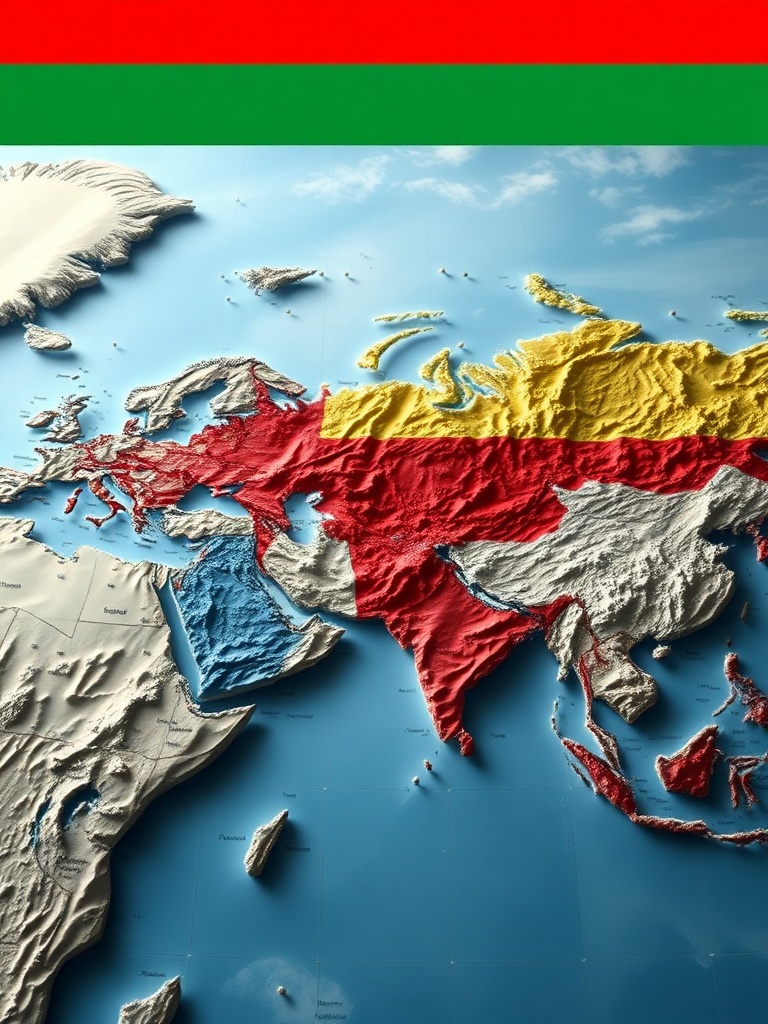
Practical steps for navigating climate-related geopolitical risk:
– For policymakers: integrate climate scenarios into national security assessments, invest in resilient infrastructure, and prioritize diplomacy to build cooperative frameworks for shared resources and Arctic governance.
– For businesses: conduct climate-informed geopolitical risk mapping for supply chains, diversify suppliers of critical inputs, and invest in contingency planning for ports and logistics hubs.
– For investors: evaluate sovereign and corporate exposure to climate stressors, and favor assets with demonstrable resilience strategies and transparent governance.
Climate change is reconfiguring the strategic map in ways that reward foresight.
Those who align policy, commerce, and finance around resilience and cooperation will be better positioned to manage the shifting risks and to capitalize on the new economic architecture being formed by the transition to low-carbon systems. Effective responses are not only about mitigation and adaptation, but about shaping the rules and institutions that will govern resource access, migration, and commerce in a changing climate.