An interdisciplinary approach is a method that integrates knowledge and skills from multiple disciplines towards a common goal or problem-solving.
This approach creates a blended perspective that can aid in producing comprehensive solutions, fostering critical thinking, and driving innovation. It is a strategy widely embraced in various sectors, including education, business, healthcare, and technology.
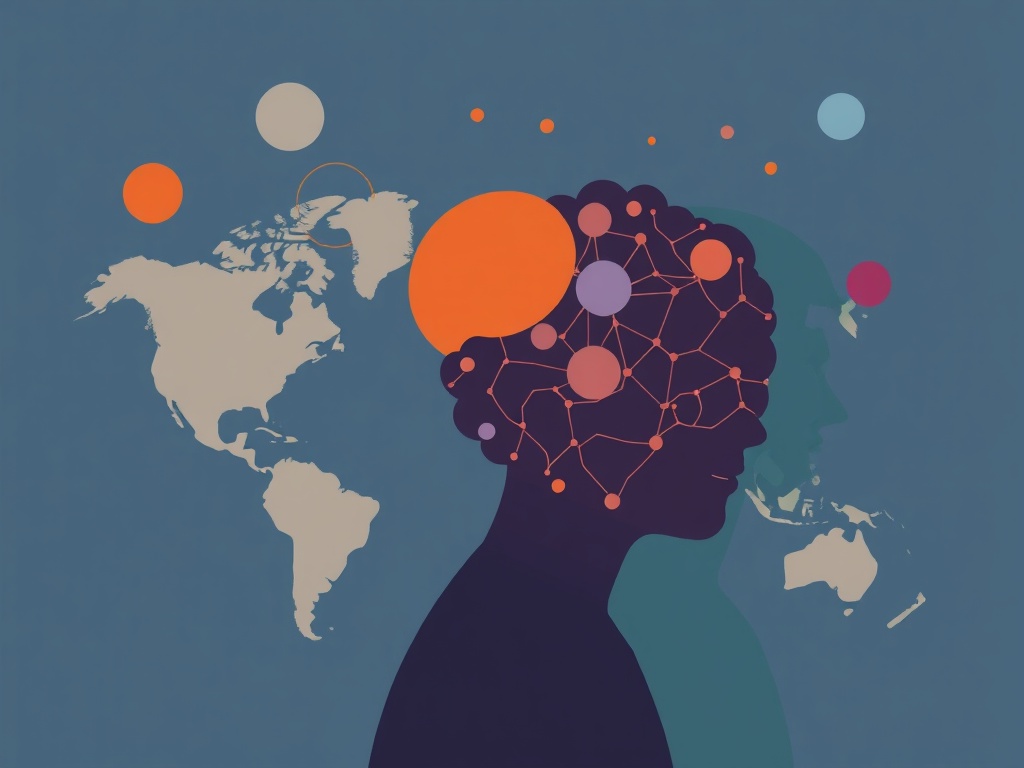
In education, interdisciplinary approaches are increasingly being incorporated into curricula, fostering a learning environment that promotes collaboration, creativity, and problem-solving. This approach allows students to draw connections between subjects, encouraging a more holistic understanding of the world. For instance, a curriculum blending science and art can cultivate a fresh perspective on environmental issues, highlighting the intersection of aesthetic beauty and ecological importance.
Moreover, in today’s complex business landscape, interdisciplinary approaches are being recognized as a powerful tool to drive success. Companies are increasingly bringing together diverse teams with different skills and backgrounds to tackle challenges from various angles. For instance, a project involving the design of a user-friendly website might bring together web developers, graphic designers, user experience experts, and marketing professionals.
By integrating different areas of expertise, companies can create more comprehensive and innovative solutions, ultimately enhancing their competitive edge.
Similarly, healthcare is another field that greatly benefits from interdisciplinary approaches. The integration of diverse healthcare professionals, such as doctors, nurses, pharmacists, and social workers, is essential in providing comprehensive patient care.
It ensures that all aspects of a patient’s health are considered, from their medical needs to their psychological wellbeing. Recent advances in telemedicine and digital health platforms have further emphasized the value of interdisciplinary collaboration in healthcare, enabling seamless communication and coordination among different healthcare providers.
Technological innovation is also intrinsically linked to interdisciplinary approaches.
Rapid advancements in fields like artificial intelligence, machine learning, and robotics have necessitated the integration of diverse fields. For example, the development of autonomous vehicles requires the collaboration of professionals in computer science, engineering, law, and urban planning, among others.
While the benefits of interdisciplinary approaches are abundantly clear, they are not without challenges. These may include communication barriers between individuals from different disciplines, the dominance of certain disciplines over others, and difficulties in evaluating the outcomes of such approaches due to their complexity. However, with conscious effort and systematic strategies, these obstacles can be effectively mitigated.
As we move forward, it is crucial that we embrace interdisciplinary approaches in all aspects of our lives. By doing so, we can foster a culture of collaboration, creativity, and innovation that can help us navigate the complexities of the modern world.
Whether it’s in our classrooms, boardrooms, hospitals, or research labs, the magic truly happens when we break down the silos and let different fields intersect and interact.