Geopolitical shifts in the Indo-Pacific are reshaping global strategy, trade, and security. Rising strategic competition, evolving supply chains, climate-driven risks, and rapid technological change make this region a focal point for policymakers and businesses seeking stability and opportunity.
Strategic competition and maritime security
The Indo-Pacific is characterized by a dense network of sea lanes that carry a large share of world trade. Maritime security concerns—from freedom of navigation incidents to expanded naval deployments—have elevated the importance of sustained presence and interoperable partners. Coast guards and navies are increasingly investing in domain awareness tools, maritime patrol capabilities, and cooperative exercises. At the same time, “gray-zone” tactics, such as coast guard harassment and island-building, complicate responses and heighten the value of diplomatic de-escalation and legal frameworks.
Economic levers and supply chain resilience
Economic interdependence runs alongside strategic rivalry. Critical supply chains—especially for semiconductors, batteries, and critical minerals—are concentrated in this region, creating vulnerabilities that can be exploited during crises.
Nations and firms are responding by diversifying suppliers, reshoring strategic production where feasible, and building stockpiles or strategic reserves. Trade policies, investment screening, and export controls have become routine tools for managing risk, but they require careful calibration to avoid unintended fragmentation of global markets.
Tech competition and standards
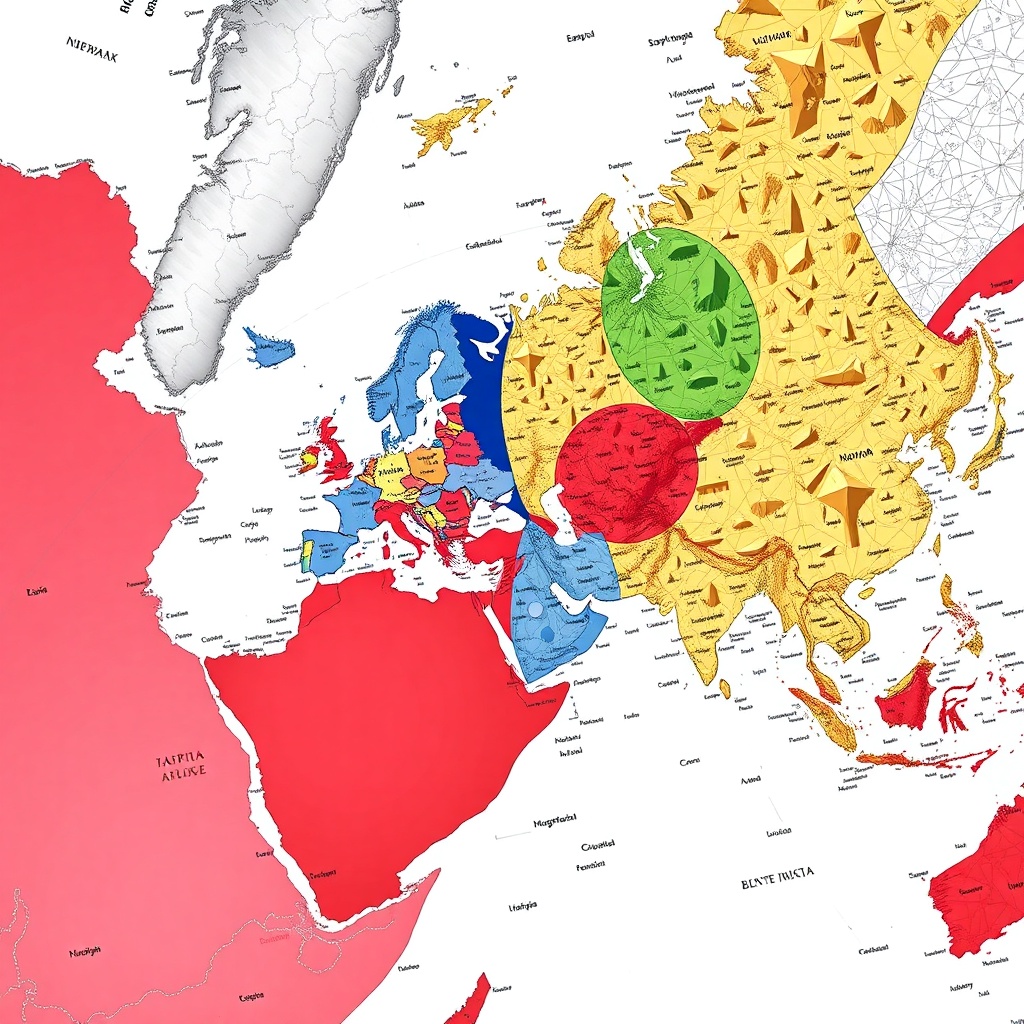
Technology competition is a central battleground. Control over advanced manufacturing, 5G and beyond, artificial intelligence infrastructure, and secure semiconductor fabrication carries both economic and security implications.
Export controls and investment restrictions are paired with efforts to set international standards and norms for emerging technologies.
Collaboration between governments and private sector actors on secure supply chains, trusted ecosystem partners, and standards-setting processes can mitigate risks while preserving innovation.
Climate and resource security
Climate change amplifies geopolitical fault lines in the region.
Sea-level rise, extreme weather, and changing fisheries patterns threaten coastal communities and economic assets.
These climate risks interact with existing disputes, humanitarian pressures, and migration dynamics, increasing the demand for investment in resilience, disaster response cooperation, and sustainable resource management. Energy transitions also drive competition for critical minerals and new maritime infrastructure while creating opportunities for green growth partnerships.
Alliances, partnerships, and multilateralism
Alliances and informal partnerships are adapting to the region’s complexity. Formal security treaties coexist with new groupings and dialogues that emphasize practical cooperation—maritime security, infrastructure financing, pandemic preparedness, and supply chain resilience.
Strengthening multilateral institutions and transparent financing mechanisms reduces the incentive for zero-sum behaviors and increases collective capacity to manage shared challenges.
Practical recommendations for stakeholders
– For policymakers: prioritize flexible deterrence, invest in maritime domain awareness, and coordinate export-control and investment-screening regimes with allies to reduce leakages and foster interoperable responses.
– For businesses: map critical dependencies, diversify suppliers geographically, and invest in resilient logistics and inventory strategies.
Engage with governments proactively on standards and regulatory developments.
– For civil society and researchers: monitor gray-zone developments, document environmental and human-security impacts, and promote norms that protect open trade and lawful maritime conduct.
The Indo-Pacific’s complexity calls for a blend of deterrence, diplomacy, and economic resilience. Stakeholders that balance strategic awareness with cooperative investments in infrastructure, technology standards, and climate resilience will be better positioned to navigate uncertainty and sustain regional stability.