How the Energy Transition Is Reshaping Geopolitics
The global shift from fossil fuels to low-carbon energy sources is altering geopolitical dynamics in fundamental ways. Energy is no longer only about oil and gas fields; it’s about critical minerals, manufacturing capacity, digital infrastructure, and supply chain resilience. Understanding these shifts is essential for policymakers, businesses, and investors navigating a rapidly changing strategic landscape.
From Hydrocarbons to Critical Minerals
Renewable technologies and batteries rely on minerals such as lithium, cobalt, nickel, rare earth elements, and copper. Control over these resources and the processing capabilities to turn ore into usable components is becoming a new form of strategic leverage. Countries with mining endowments are gaining geopolitical significance, while nations with refining, battery manufacturing, and recycling capacity are asserting influence through industrial policy and trade relationships.
Decentralization and New Vulnerabilities
Unlike oil and gas, renewable power can be produced locally — rooftop solar and distributed wind reduce reliance on distant suppliers. That decentralization decreases some traditional forms of energy leverage, but introduces new vulnerabilities. Grid modernization depends on digital systems and cross-border technology standards that can be targeted by cyberattacks.
Supply bottlenecks for high-tech components can also create chokepoints that have outsized geopolitical effects.
Supply Chains, Manufacturing, and Strategic Alliances
The geopolitical focus is shifting from raw extraction to complete value chains: mining, refining, component manufacturing, and recycling. Nations investing in domestic manufacturing or securing long-term supply deals gain economic and strategic advantage. Trade policy, export controls, foreign investment screening, and cooperative industrial initiatives are now instruments of geopolitical competition and cooperation alike.
Maritime Routes and Physical Connectivity
Maritime chokepoints remain strategically important for transporting components and fuels. At the same time, overland connectivity projects, critical mineral corridors, and ports handling battery materials are rising in strategic importance. Investment in resilient transport infrastructure and diversified logistics routes reduces exposure to single points of failure that adversaries could exploit.
Technology, Standards, and Soft Power
Technology leadership in grid storage, hydrogen, advanced batteries, and clean manufacturing sets standards that others often follow. Exporting technologies and writing interoperability standards builds economic influence and establishes de facto norms. Diplomatic engagement around technology transfer, joint research, and standard-setting is as geopolitically consequential as traditional alliances.
Policy Responses for Strategic Resilience
– Diversify suppliers and routes: Avoid concentration risks by combining domestic capacity with multiple international partners.
– Build recycling and circularity: Recovering critical materials reduces dependence on primary extraction and strengthens supply autonomy.
– Invest in manufacturing ecosystems: Upstream and downstream industrial capacity makes nations less vulnerable to external pressure.
– Strengthen cyber and grid resilience: Harden infrastructure and adopt shared cybersecurity standards for energy systems.
– Use diplomacy proactively: Long-term offtake agreements, multilateral resource governance, and joint R&D reduce tension and create mutual dependencies that stabilize regions.
What Leaders Should Watch
Monitor shifts in investment patterns for mining and refining, announcements of new industrial incentives, and policy moves on export controls.
Keep an eye on diplomatic initiatives aimed at resource governance, as well as bilateral trade deals that lock in supply chains. Private-sector partnerships and sovereign investment strategies will reveal where strategic influence is consolidating.
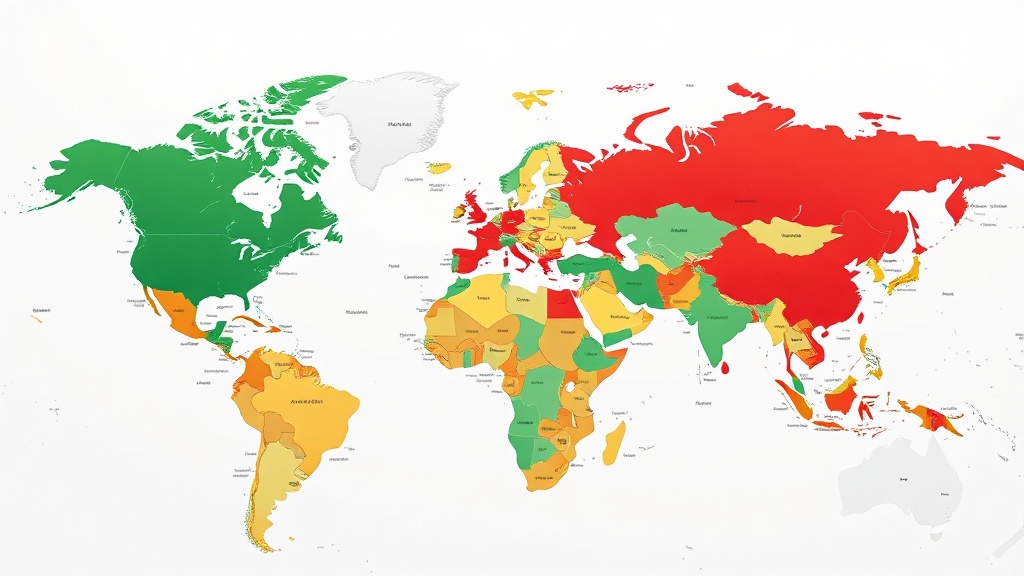
The energy transition presents both strategic opportunities and risks. Nations and companies that align policy, industrial strategy, and diplomacy to manage new dependencies will shape the next phase of geopolitical influence and economic growth.