Maritime chokepoints are the silent pressure points of global geopolitics — narrow waterways where the vast flows of energy, goods, and strategic materials must pass. Their importance has only grown as trade volumes, just-in-time supply chains, and the shipping of critical commodities become ever more central to national security and economic stability.
Why chokepoints matter
A handful of straits and canals channel a disproportionate share of global seaborne trade. When these routes are disrupted — by conflict, accidents, congestion, or political coercion — the ripple effects are immediate: fuel price spikes, delayed manufacturing, and stressed logistics networks.
Energy exports, containerized goods, and shipments of critical minerals for high-tech industries are particularly vulnerable.
Drivers increasing strategic sensitivity
– Concentration of trade: Key straits and canals concentrate cargo flows, making single incidents capable of producing global disruptions.
– Just-in-time logistics: Manufacturers and retailers rely on tight inventory models that reduce slack but increase vulnerability.
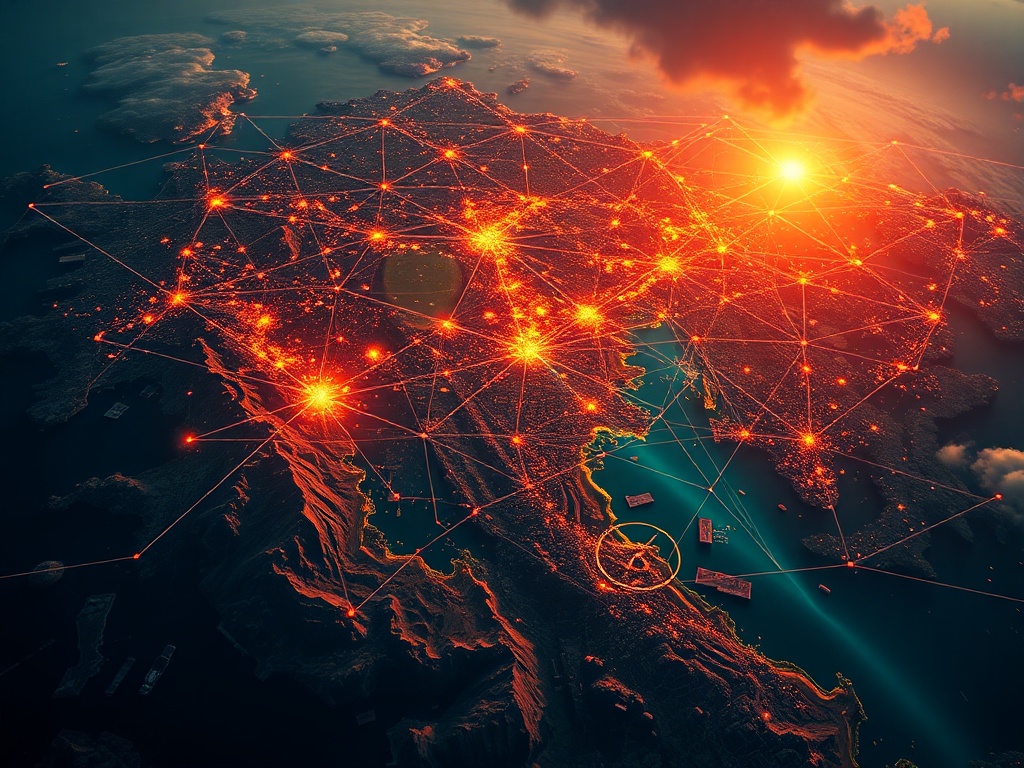
– Energy transit: Oil, LNG, and refined products often transit the same narrow routes that political tensions can affect.
– Military posture: Greater naval presence and freedom-of-navigation operations around chokepoints raise the stakes for escalation.
– New routes and climate effects: Melting Arctic ice and expanding land corridors are reshaping options and competitive dynamics for long-range shipping.
Primary chokepoints to watch
Several waterways are perennial flashpoints due to their strategic location and cargo volumes. Maintaining secure access to these routes is a central focus for navies, commercial shippers, and policymakers alike.
Risks and potential impacts
Disruptions can take many forms: deliberate blockades, maritime piracy, collisions or groundings, and infrastructure attacks.
Even temporary delays produce cascading impacts: increased insurance and rerouting costs, supply shortages for critical industries, and political leverage for states that control adjacent territories. For energy-importing countries, interruptions can translate into significant macroeconomic pressure.
Strategic responses for states and corporations
– Diversify routes and suppliers: Shifting some cargo to alternative corridors, rail links, or nearshoring reduces single-point failure risk.
– Build resilience into supply chains: Higher inventory buffers, multi-sourcing strategies, and dynamic rerouting capabilities mitigate disruption costs.
– Invest in port and canal resilience: Upgrading infrastructure, deepening channels, and improving navigation safety reduce accident risk and congestion.
– Strengthen maritime security cooperation: Multilateral patrols, shared intelligence, and legal frameworks support open seas and reduce coercion.
– Leverage technology: Real-time tracking, predictive analytics, and digital documentation improve situational awareness and response times.
– Energy strategy adjustments: Diversifying energy sources, boosting strategic reserves, and developing regional LNG hubs can blunt transit risks.
Policy and commercial alignment
Effective risk management requires coordination between governments and private actors.
Public investment in maritime infrastructure, diplomacy to de-escalate regional tensions, and industry commitment to resilient logistics form a complementary mix that reduces the geopolitical leverage of chokepoint control.
Maintaining open and secure maritime routes will remain central to global stability. For supply chain managers and policymakers alike, treating chokepoints as active strategic concerns — not passive geography — moves organizations from reactive crisis management toward durable resilience.