Arctic Geopolitics: Navigating New Routes, Risks, and Opportunities
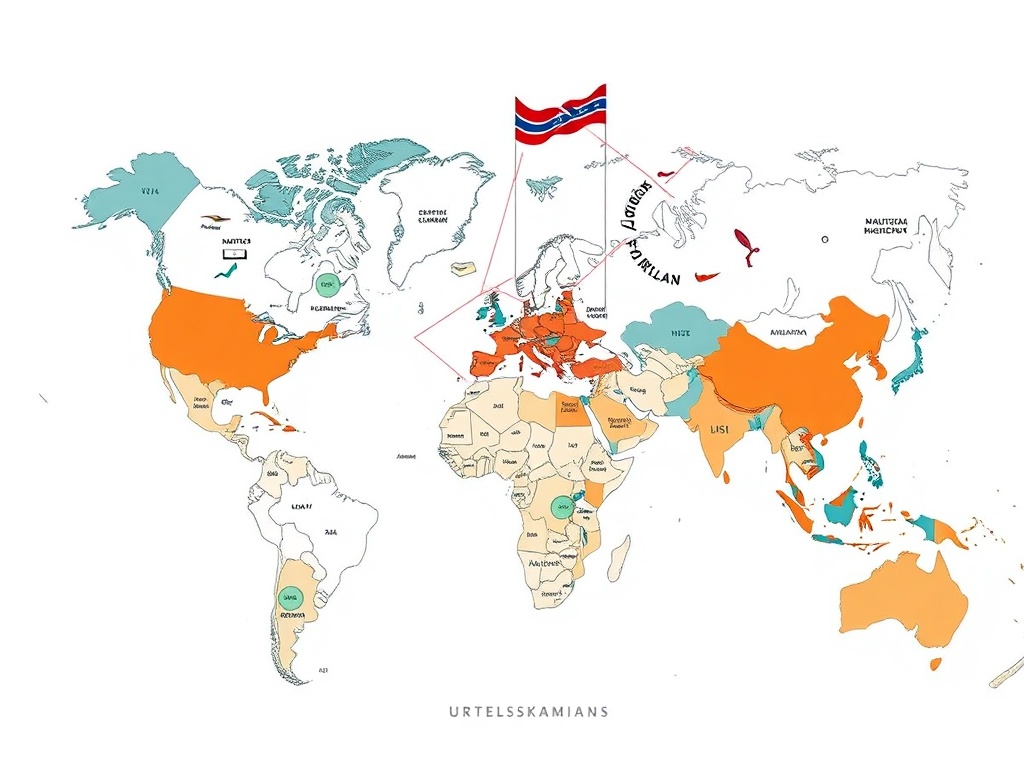
The Arctic is undergoing a strategic transformation that reshapes shipping routes, resource competition, and regional security. As sea ice retreats seasonally, new maritime corridors like the Northern Sea Route and the Northwest Passage become increasingly viable for commercial transit.
That shift is altering global supply chains and drawing attention from coastal states, distant powers, and commercial actors seeking shorter transit times between major markets.
Shipping routes and maritime security
Opening Arctic routes can cut distances between Asia and Europe, offering fuel and time savings for certain vessels. Yet the navigational gains come with heightened risks: unpredictable ice conditions, limited search-and-rescue capacity, and fragile ecosystems that are highly sensitive to spills and noise.
The combination of increased traffic and insufficient infrastructure elevates the potential for accidents and diplomatic friction over responsibility for maritime safety.
Resource competition and economic stakes
Melting ice has also intensified interest in hydrocarbons, minerals, and fisheries. Offshore oil and gas prospects attract investment, while thawing permafrost exposes strategic mineral deposits critical for high-tech supply chains. These opportunities are counterbalanced by extraction costs, environmental liability, and volatile commodity markets. Indigenous communities and local economies face both potential benefits and profound disruptions from large-scale development.
Legal and institutional frameworks
Mediation of Arctic claims relies on established maritime law and regional institutions.
The United Nations Convention on the Law of the Sea provides a baseline for territorial claims, while regional mechanisms offer platforms for cooperation. The Arctic Council remains a key forum for scientific collaboration and soft-law coordination among littoral states. However, gaps in binding legal instruments can leave contentious areas vulnerable to unilateral moves or military signaling.
Security dynamics and military presence
Arctic security is not solely about traditional military confrontation; it includes the deployment of surveillance assets, icebreakers, and logistics investments that can be framed as sovereignty measures. Enhanced military-capable infrastructure—ports, airfields, and communications—supports both civilian and defense missions.
Transparency and confidence-building measures are essential to prevent misunderstanding and escalation as states modernize Arctic capabilities.
Environmental and indigenous considerations
Environmental risk is central to any sustainable Arctic strategy.
Oil spills, accelerated coastal erosion, and impacts on marine biodiversity could have long-lasting consequences. Indigenous peoples, who hold intimate knowledge of the region, should be at the center of planning. Respect for indigenous rights, consultation processes, and benefit-sharing mechanisms is vital for legitimacy and long-term stability.
Policy priorities for resilient governance
Policymakers and industry actors can take steps to reduce risks and harness opportunities responsibly:
– Invest in search-and-rescue, vessel traffic management, and ice-monitoring infrastructure to improve maritime safety.
– Strengthen cooperative frameworks for environmental protection, including marine protected areas and spill-response protocols.
– Enhance transparency around military activities and pursue confidence-building measures to reduce the chance of miscalculation.
– Prioritize indigenous-led governance models and ensure meaningful consultation in development projects.
– Encourage multinational scientific collaboration to inform evidence-based policy and adaptive management.
The Arctic presents a complex blend of economic promise and strategic risk.
Balancing commercial opportunity with environmental stewardship and inclusive governance will determine whether the region becomes a model of cooperative management or a flashpoint of competition.
Stakeholders who prioritize transparency, resilience, and local participation increase the chances for stable, mutually beneficial outcomes.