The world stage is evolving at a rapid pace, and the balance of power is continually shifting. Lately, we’ve seen the undeniable rise of several nations, which poses a fascinating subject for geopolitical analysis.
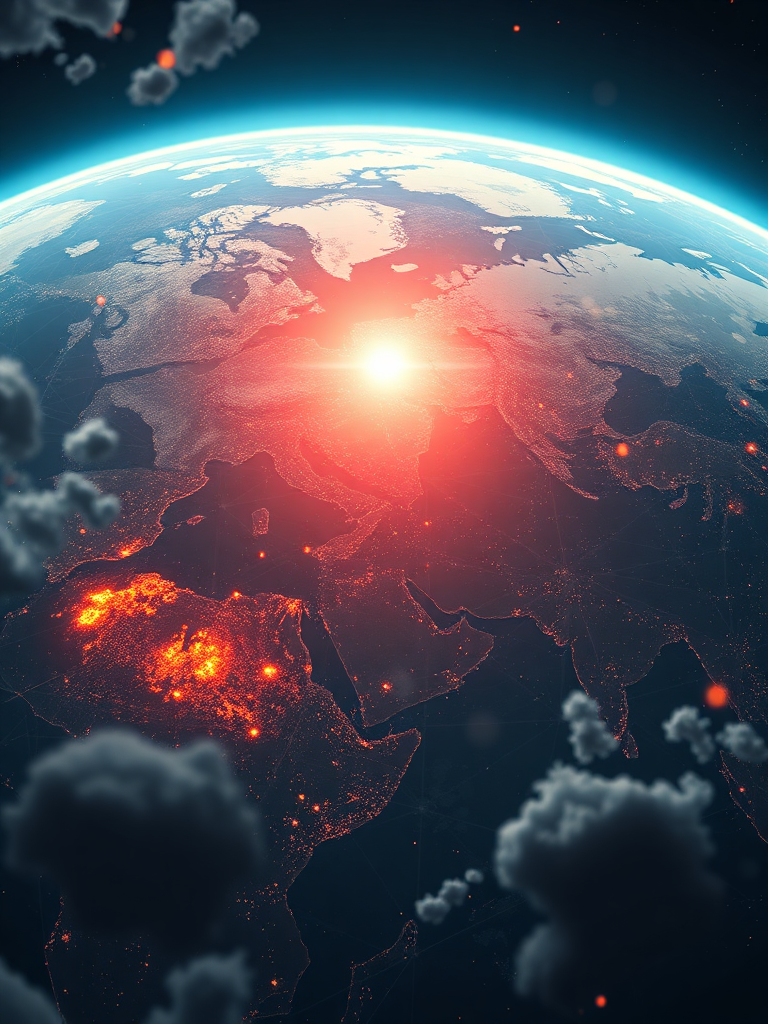
This growth is causing ripples across the globe, affecting diplomacy, international trade, security, and even culture. Today, let’s delve into the implications of emerging superpowers in geopolitical relations.
Firstly, let’s elucidate the term “emerging superpowers.” It denotes countries that are currently experiencing significant growth in geopolitical influence due to various factors such as robust economic development, technological advancements, military expansion, and diplomatic maneuvers. These nations are reshaping the global dynamics, challenging the traditional hegemony, and creating multi-polar world scenarios.
One of the critical implications of their rise is the shift in global economic power. These nations bring with them enormous economic potential due to their robust domestic markets, innovative tech industries, and considerable investment capabilities. Consequently, the traditional economies may find their influence diminishing if they’re unable to adapt to this changing landscape.
The geopolitical shift also affects global security. Countries climbing the power ladder tend to increase military expenditure and advance their defense technology. As a result, there’s an escalation in global defense spending, leading to an arms race. This situation requires vigilant geopolitical analysis to foresee potential conflicts and devise strategies to maintain peace.
Another impact is the alteration in political alliances and diplomatic relations. As these emerging nations gain influence, they build new relationships with other countries, altering the dynamics of existing alliances.
This shift may lead to the formation of new blocs, which may substantially influence international policies and treaties.
Moreover, these emerging superpowers also have cultural implications. As their global influence grows, their culture, values, traditions, and ideologies gain more recognition and acceptance worldwide. This cultural diffusion can lead to significant changes in global attitudes and perceptions, fostering mutual understanding or driving polarization, depending on the circumstances.
However, the rise of new superpowers also presents challenges. For instance, the economic policies of these countries can disrupt established trade patterns and global supply chains. Their military expansion can lead to regional instability or security dilemmas.
Moreover, their unique political systems and ideologies can challenge the norms of international governance.
Therefore, the emergence of new superpowers is a double-edged sword. While it brings diversity and multipolarity to international relations, it also brings potential instability and conflict. It’s crucial for countries, especially traditional powers, to adapt to this shifting landscape. They need to recalibrate their foreign policies, engage in constructive dialogue, and cooperate on global issues.
Undeniably, the rise of emerging superpowers is reshaping the geopolitical landscape in significant ways.
It’s an ongoing process that requires continuous scrutiny through geopolitical analysis. By understanding these changes, countries can better navigate the uncertain waters of international relations and work towards a more balanced and peaceful global order.
In the realm of geopolitics, the only constant is change. As the balance of power tilts, so will the world order. Monitoring these shifts and understanding their implications is key to anticipating future trends and ensuring that the path forward leads to cooperation and stability, not conflict and uncertainty. The stakes are high, but so are the rewards for those who can successfully navigate these changes.