In the realm of international relations, the discipline of geopolitical analysis has grown exponentially. As nations become more interconnected, understanding the political, economic, and cultural implications of this interconnectedness has become crucial.
Geopolitical analysis provides an essential lens through which we can view these global phenomena.
Emerging as a vital field in the 19th century, geopolitical analysis was initially associated with the study of how geographical factors influence international relations. However, today, it has evolved into a comprehensive discipline that includes economic, political, historical, and social analysis. It is now widely recognized as a tool that helps decision-makers navigate the complex world of international politics and economics.
Geopolitical analysis is a constantly evolving field, driven by the ever-changing dynamics of international relations. Currently, there are several key trends shaping the landscape of geopolitical analysis. Globalization, the rise of non-state actors, technology advances, and climate change are among the most profound.
Globalization has had a significant impact on geopolitics, influencing everything from trade policies to migration patterns. As nations become more intertwined, understanding the political and economic implications of these connections is vital.
Trade agreements, for example, are no longer just about economics – they have significant geopolitical implications, affecting national security, diplomatic relations, and even social stability.
The rise of non-state actors is another trend that has reshaped the field of geopolitical analysis. From multinational corporations to non-governmental organizations, these entities have gained significant power and influence, often rivaling that of nation-states. Their actions, therefore, carry considerable geopolitical implications.
The rapid advancement of technology is another significant influence on geopolitics. Cybersecurity, for example, has become a key area of geopolitical concern. State-sponsored cyber attacks or data breaches can cause significant damage, prompting the need for more robust and resilient digital infrastructure. Analyzing these technological trends and understanding their geopolitical ramifications is a critical aspect of modern geopolitical analysis.
Climate change is an issue that transcends national boundaries and demands global attention. It not only impacts the environment but also influences geopolitics by affecting resource availability, migration patterns, and global health scenarios. Understanding the geopolitical implications of climate change is, therefore, integral to the field.
As geopolitical analysis continues to adapt to these changing dynamics, its relevance and importance in international relations only increases.
By providing a comprehensive understanding of global phenomena, it allows decision-makers to make informed choices in a complex world.
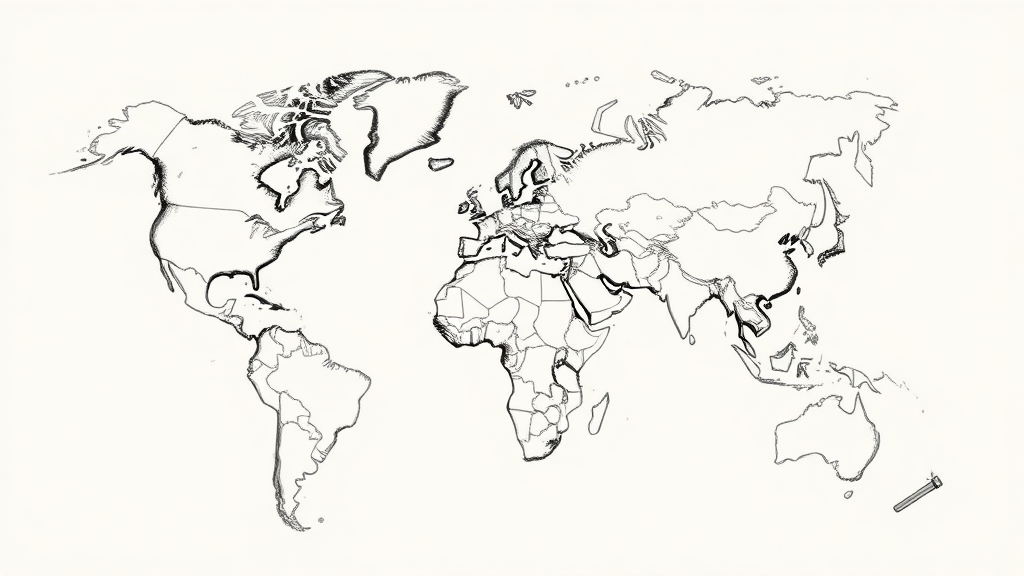
Of course, geopolitical analysis is not without its challenges. It requires an understanding of a wide range of fields, including economics, politics, history, and geography. Moreover, as the world changes, so too does the field of geopolitical analysis. Analysts must stay informed about current events, understand historical contexts, and be able to predict future trends.
Despite these challenges, the discipline of geopolitical analysis remains a crucial tool in the arsenal of decision-makers worldwide. It provides a framework for understanding the complex and interconnected world we live in, helping to guide policies and decisions that impact billions of lives around the globe.
Without a doubt, the role of geopolitical analysis in navigating the complexities of the modern world is more significant than ever before. It remains a critical tool for understanding and interpreting the ebb and flow of global power dynamics, providing insight into global phenomena, and ultimately, shaping the future of international relations.