The Dynamics of Global Power: A Geopolitical Analysis
The world is a complex network of nations, each vying for power and influence on the global stage. Today, we’re exploring the fascinating sphere of geopolitical analysis, examining how countries are strategically positioning themselves to achieve their international goals. This fascinating field not only influences the decisions of world leaders but also impacts the daily lives of individuals across the globe.
By gaining a better understanding of global geopolitics, we can anticipate the shifts in global power that will shape our future. So, let’s dive in…
Geopolitical analysis revolves around understanding the influence of geography, economics, and culture on political activity and international relations.
It delves into how nations leverage their natural resources, strategic locations, economic power, and cultural influence to impact global dynamics.
In recent times, the world has witnessed a seismic shift in power from the West to the East. Asia, with its robust economies and increasing military capabilities, is gradually asserting itself on the global stage. This shift is causing a reevaluation of alliances and partnerships, as nations reconsider their geopolitical strategies to accommodate this new reality.
The rise of digital technology is another factor that’s reshaping geopolitical landscapes. Countries with advanced technology and innovation capabilities have the potential to outpace those reliant on traditional industries.
Cybersecurity now forms a crucial part of national security, with countries investing heavily to protect their digital infrastructures and information.
Additionally, the influence of non-state actors is growing. International corporations, global non-profit organizations, and even influential individuals are becoming key players in geopolitical events. These actors can transcend national borders, influencing politics, economics, and culture in ways that traditional nation-states cannot.
Climate change and environmental issues are also increasingly intertwined with geopolitics. Nations rich in renewable resources are gaining leverage, while those reliant on fossil fuels face uncertainty. International organizations and agreements aimed at combating climate change are, therefore, becoming crucial in geopolitical relations.
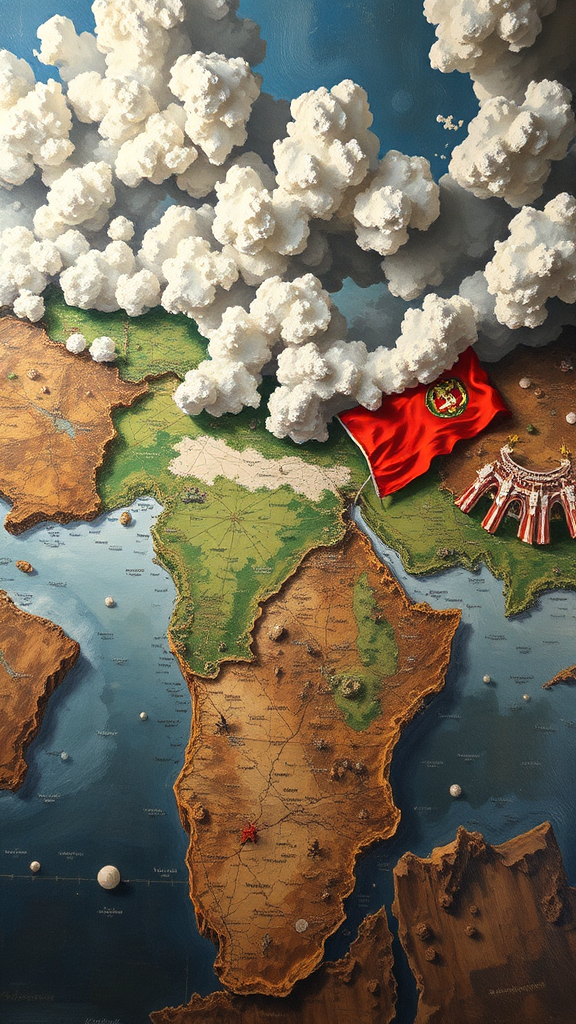
Understanding these dynamics is essential for navigating our interconnected world.
Geopolitical analysis provides a lens through which we can interpret the actions of nations, anticipate future trends, and make sense of the complex global relationships that shape our lives.
Today, geopolitical analysis isn’t merely restricted to political scientists and diplomats. Businesses use it to understand international markets and identify potential risks. Individuals use it to comprehend global news and make informed decisions. In essence, geopolitical analysis is a critical tool for anyone looking to understand the world better.
Moving forward, the pace of change in geopolitics is likely to accelerate.
The continued rise of digital technology, climate change, demographic shifts, and the evolution of global norms will present new challenges and opportunities for nations.
To conclude, looking through the lens of geopolitical analysis, it’s clear that the world is an amalgamation of interlinked systems and influences, driven by powerful forces that reach beyond borders. It’s these forces that dictate the trends and transformations we see unfolding on the world stage.
By understanding these forces, we can better predict, prepare for, and respond to the ever-changing global landscape.