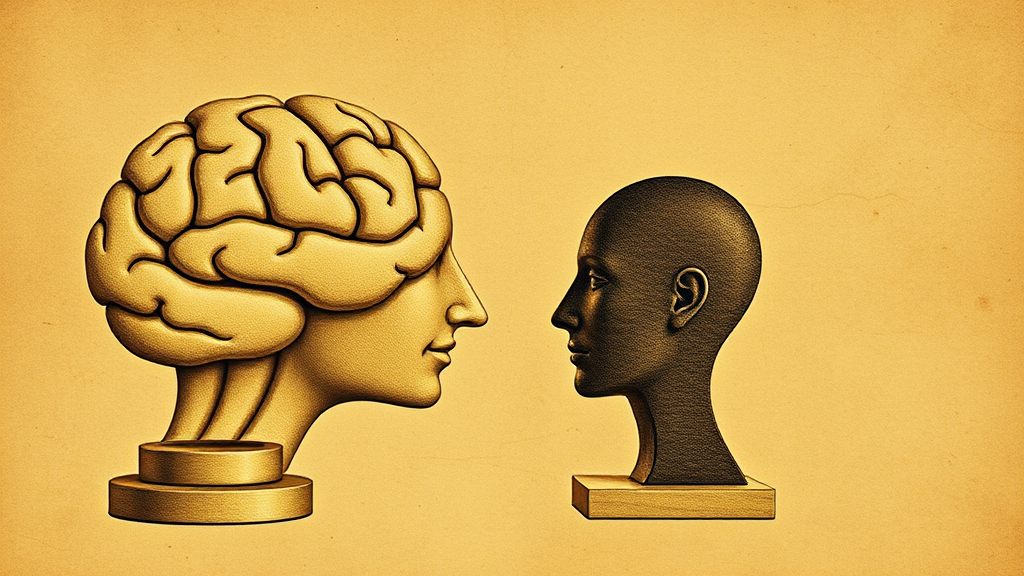
At the core, cognitive models aim to replicate the intuitive and complex processes the human mind undertakes when dealing with day-to-day problems. They strive to reproduce mental structures such as memory, attention, perception, and language, providing a framework that allows scientists and researchers to delve deeper into understanding the human mind and its functions.
One significant application of cognitive models is in the realm of artificial intelligence.
As AI systems become increasingly prevalent in our lives, understanding and replicating human cognition becomes crucial.
With the use of cognitive models, AI systems can be designed to mimic human thought processes, enhancing the overall interaction between humans and machines. This can lead to more intuitive and user-friendly AI applications, paving the way for more efficient systems that respond effectively to user needs.
Cognitive models also find application in the field of psychology, particularly in cognitive therapy. By providing a structured representation of human cognitive processing, these models contribute to understanding the mechanisms behind various psychological disorders. This understanding can then guide therapeutic approaches, helping clinicians develop effective treatment strategies. For instance, by understanding the cognitive model of depression or anxiety, therapists can identify the thought patterns contributing to these conditions and work on strategies to alter them.
Moreover, cognitive models play a pivotal role in the field of education.
Understanding how students process information allows educators to design teaching methods that align with their cognitive capabilities, fostering more effective learning. Today, cognitive models are being used to personalize education, redefining the way instruction is delivered to suit individual learning styles and abilities.
Despite these advantages, the development and application of cognitive models do pose certain challenges. One of the foremost challenges lies in the complexity of human cognition itself. Replicating such complex processes accurately is no easy task, and despite advancements, our understanding of the human mind remains limited. Moreover, creating models that can adapt to changing scenarios – as the human mind does – is another significant hurdle.
Cognitive models are an exciting area of exploration, with immense potential to revolutionize various fields including AI, psychology, and education. By providing a structured framework of human cognition, they offer insights into the intricate workings of the human mind and open new avenues for understanding and replicating cognitive processes. Despite the challenges, the potential benefits make cognitive models an area of study that researchers, scientists, and educators will continue to delve into in the years to come.